
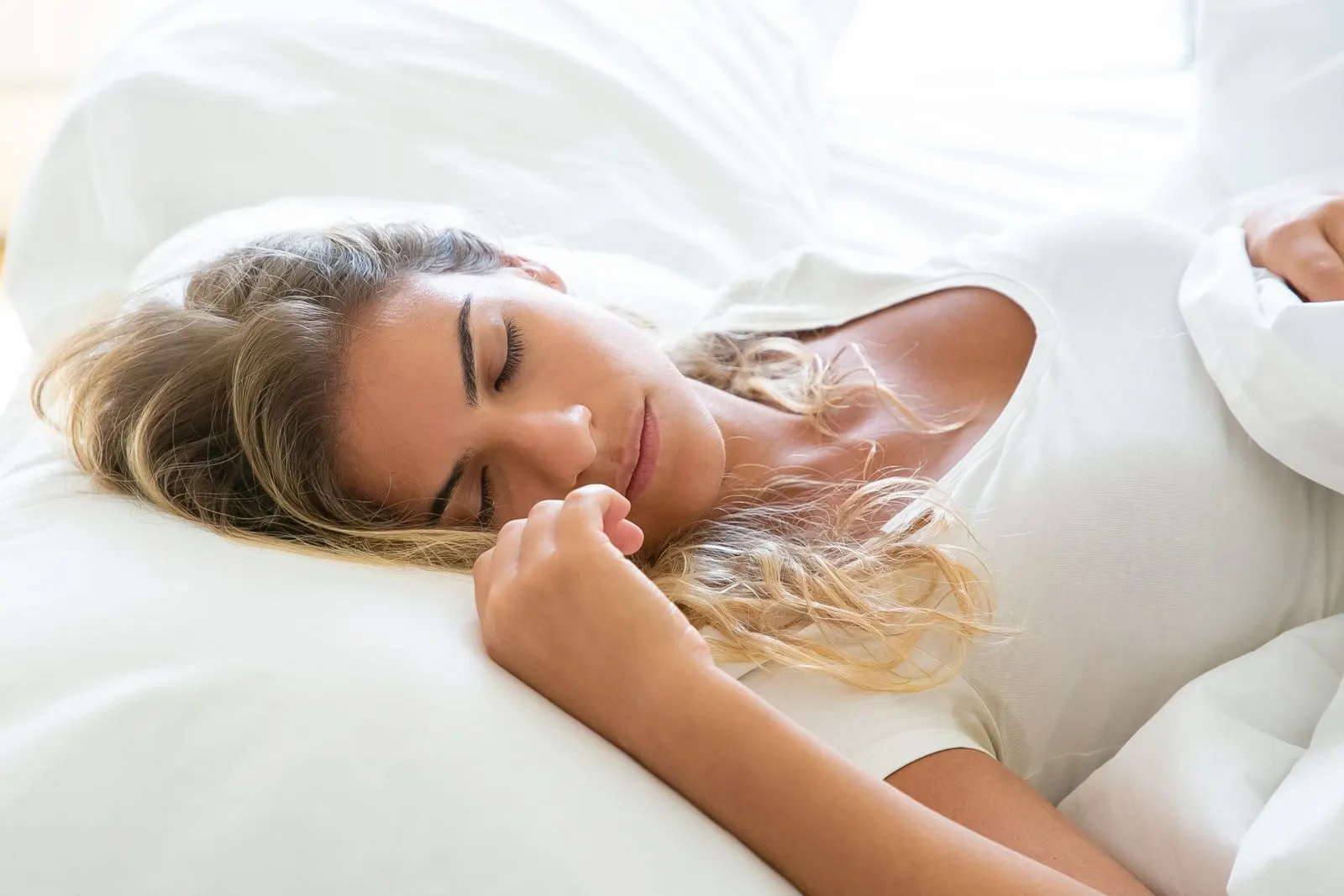
If your partner complains about your snoring, or you wake up after a full night in bed and still feel exhausted, you are not alone. Snoring is very common, and for some people it is a sign of a sleep-related breathing problem called obstructive sleep apnea (OSA). The good news: many people who cannot tolerate a CPAP machine have another option, and a dentist trained in dental sleep medicine can play an important role.
This article explains the basics in plain language. It is general information, not a diagnosis or medical advice. Only a physician can diagnose sleep apnea.
Snoring vs. sleep apnea: what is the difference?
Snoring happens when air moving through a narrowed airway makes the soft tissues of the throat vibrate. On its own, snoring can be harmless, though it can still disrupt your sleep and your bed partner’s.
Obstructive sleep apnea is different. During sleep, the muscles in the throat relax and the airway can partly or fully collapse, so breathing repeatedly slows or stops for short periods. Each time, the brain briefly wakes the body to restart breathing — often without the person remembering it. These interruptions can happen many times an hour, which is why someone with sleep apnea may feel unrefreshed even after a “full” night.
Common signs to watch for
- Loud, frequent snoring
- Pauses in breathing, choking or gasping during sleep (often noticed by a partner)
- Waking up tired, or feeling sleepy during the day
- Morning headaches or a dry mouth on waking
- Trouble concentrating, irritability or low mood
- Waking up often during the night
Having one or more of these does not mean you have sleep apnea, and some people with sleep apnea have few obvious symptoms. If any of this sounds familiar, it is worth talking to your doctor. Untreated sleep apnea has been linked to health problems such as high blood pressure and heart disease, and daytime sleepiness can make driving risky.
How is sleep apnea diagnosed?
Sleep apnea is diagnosed by a physician, using a sleep study. Depending on your situation, that may be an overnight study in a sleep lab or a home sleep test. The study measures things like your breathing, oxygen levels and how often breathing is interrupted, and the physician uses the results to decide whether you have sleep apnea, how severe it is, and which treatments are appropriate.
A dentist does not diagnose sleep apnea. What a dentist can do is notice possible warning signs, talk with you about your options, and — once a physician has made a diagnosis and determined an oral appliance is appropriate — make and fit a custom appliance and follow up with you.
Treatment options: CPAP and oral appliance therapy
A CPAP (continuous positive airway pressure) machine is a common treatment. It works well for many people, but some find the mask, hose or noise hard to live with, and stop using it.
Oral appliance therapy is an alternative. A custom-made device, worn in the mouth during sleep like a mouthguard, gently holds the lower jaw slightly forward. This helps keep the airway open so air can flow more freely. The American Academy of Sleep Medicine (AASM), together with the American Academy of Dental Sleep Medicine, recognizes oral appliance therapy as a treatment option for adults with obstructive sleep apnea — for example, for people who cannot tolerate CPAP or prefer an alternative. Oral appliances may also be used for primary snoring. Your physician will help decide what is right for you.
Oral appliances are small, quiet, need no electricity and are easy to travel with. Many people find them more comfortable to use every night than a mask.
Oral appliances at Sweet Tooth Dental Center
Dr. Sharon Shamoiel offers oral appliance therapy at our Thousand Oaks office using custom SomnoMed appliances, including the SomnoDent Avant, SomnoDent Fusion and Herbst Advance. Each is made to fit your teeth, and SomnoMed appliances come with a 3-year warranty.
Sleep apnea is a medical condition, so oral appliance therapy is often covered by medical insurance rather than dental insurance. We work with your medical insurance and bill it for sleep apnea appliances. Call us to check your plan.
What to expect
- Free consultation. Our sleep apnea consultation is free and open to everyone. Dr. Shamoiel will listen to your concerns, look at your teeth and jaw, and explain your options.
- Diagnosis by a physician. If you have not had a sleep study yet, you will need one through a physician to confirm a diagnosis.
- Your custom appliance. If an oral appliance is right for you, we take records of your teeth so your appliance can be custom made.
- Fitting and follow-up. We fit the appliance, show you how to use and clean it, and adjust it over time. Your physician may recommend a follow-up sleep test to check how well it is working.
Tips while you wait for your appointment
Some general habits support better sleep for everyone: keep a regular sleep schedule, avoid alcohol close to bedtime, and talk to your doctor about weight, allergies or nasal congestion. Some people snore less when sleeping on their side. These steps are not a substitute for diagnosis and treatment.
Serving Thousand Oaks, Westlake Village and Agoura Hills
If snoring or daytime tiredness is affecting your life, you don’t have to just put up with it. Learn more about sleep apnea treatment and snoring treatment and CPAP alternatives at our office, or book your free consultation.
Book a free consultation Call (805) 379-5262
This article is for general education only and is not medical advice. Please talk to your physician about any symptoms.